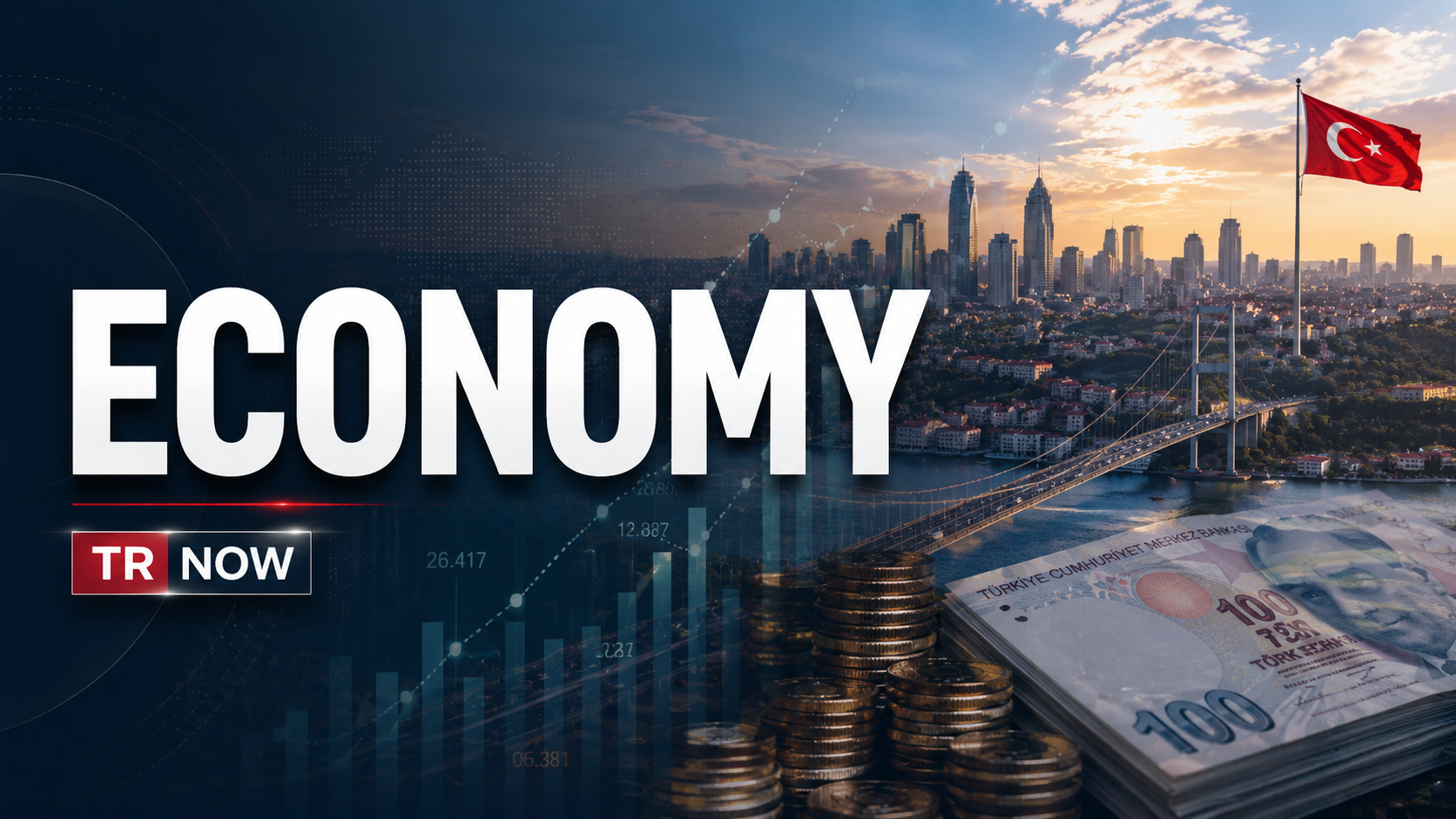

The market value of Turkish securities has reached 38 trillion lira
The total market value of securities registered with Turkey’s central securities depository, Merkezi Kayıt Kuruluşu (MKK), has reached an impressive level of 38 trillion Turkish lira.
This notable increase, which equates to approximately 30 per cent since the beginning of the current year, was recently announced by MKK’s General Manager and Board Member, Ekrem Arıkan.
These figures provide vital insight into the ongoing developments within Turkey' s financial markets and indicate significant growth in the value of shares, bonds, and other financial instruments traded across the country.
The role of the MKK in the financial market is central to the Turkish economy as the nation' s sole central securities depository.
Their primary duties include the electronic registration, safekeeping, and management of securities, in addition to facilitating the settlement and clearing of transactions.
Consequently, the MKK helps to ensure transparency and efficiency in the securities market, both of which are essential for investor confidence and market stability.
It is the data from this institution that now highlights the robust growth in market value. A 30 per cent increase in the total market value of securities is a powerful indicator of the dynamics within Turkey’s financial markets.
This can be interpreted as a sign of improved investor optimism, stronger corporate earnings, and increased capital inflow into Turkish assets.
Such developments are essential for a nation' s economic health, as they directly influence the ability of businesses to raise new capital, expand their operations, and create jobs.
The increased value makes Turkey potentially more attractive to both domestic and international investors.
The broader economic significance of this growth is closely tied to the overall economic situation in Turkey.
A robust capital market sector is a prerequisite for economic growth, as it provides companies with access to financing beyond traditional bank loans.
This can stimulate investments in infrastructure, technology, and production, thereby contributing to an increase in the gross domestic product.
For Turkish households, it may also indirectly signify a strengthened economy through value appreciation in pension funds and other investments that hold these securities. For companies listed on the stock exchange in Turkey, an increase in market value often represents a lower cost of capital, making it cheaper to finance future projects and expansion.
This is particularly important in an environment where access to credit can fluctuate.
For international investors, the growth signals that Turkish assets offer good returns, which may lead to increased demand for Turkish shares and bonds.
In turn, this could strengthen the Turkish lira and help improve the country’s balance of trade and external financing situation over time.
The figures presented by the MKK serve as an important barometer for Turkey’s financial health and future potential.
A continued positive trend in the market value of securities will be a central element in the country’s objective to achieve sustainable economic growth and stability.
Analysis of these trends will be crucial for both economic policymakers and private investors considering involvement in the Turkish economy.
Source: Haberglobal