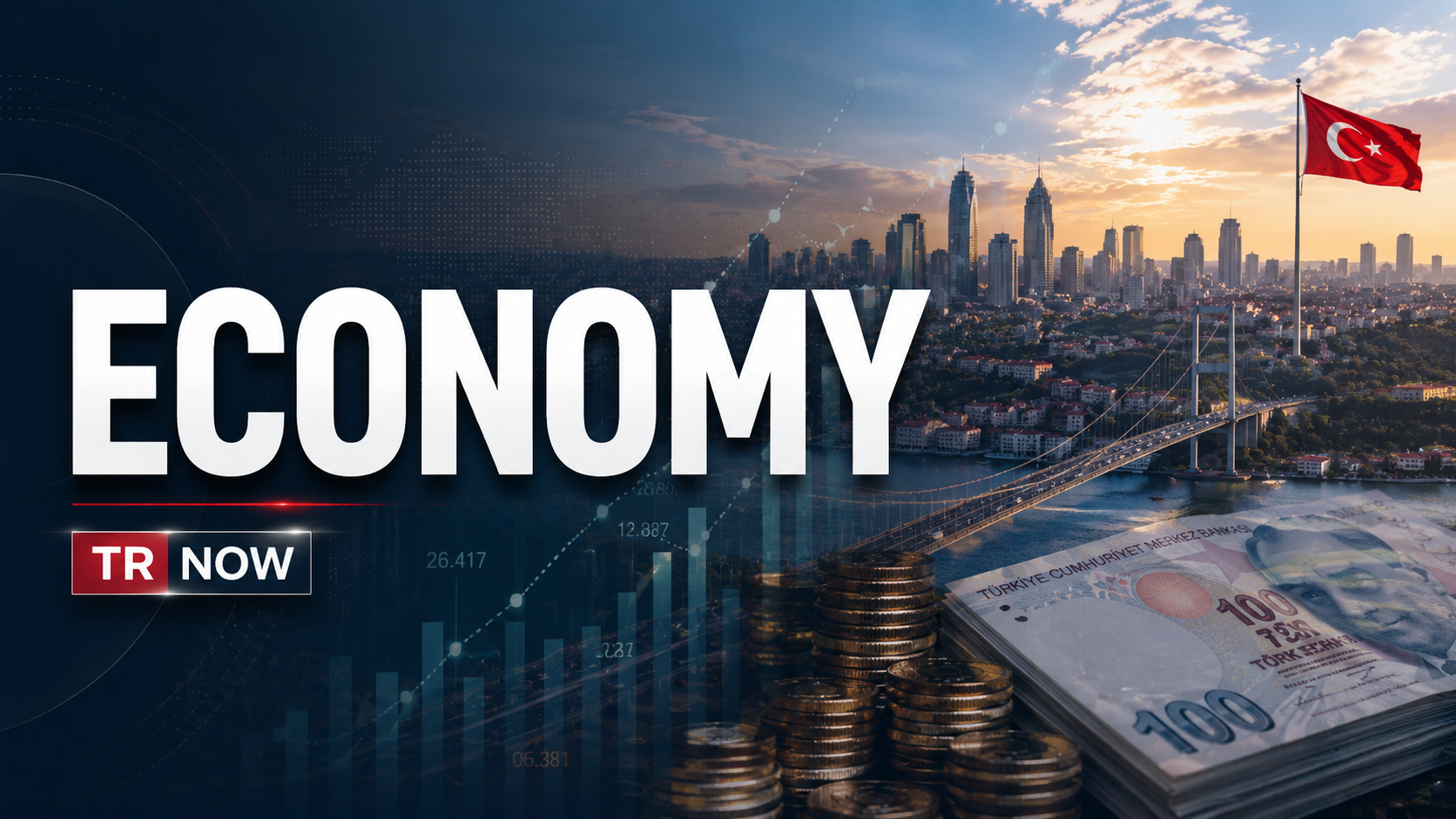

Turkey’s medium-term programme predicts a weaker lira and rising budget deficits
Turkey' s recently announced medium-term programme (OVP) outlines central economic challenges for the coming years.
The programme indicates an expected gradual weakening of the Turkish lira against the US dollar and a significant increase in the national budget deficit.
Data from the OVP, which was published yesterday, points towards a calculated rise in the dollar/TL exchange rate for the next three years.
This signals a sustained downward trend for the Turkish currency, which may impact import prices and the purchasing power of households. In addition, the programme highlights a marked growth in the budget deficit, a development that is raising concerns regarding the country’s public finances.
An increasing deficit could lead to higher national debt and potentially limit the government' s room for manoeuvre in future economic policy.
Experts emphasise that the programme' s most demanding aspects will be two-fold.
Firstly, it concerns whether the dollar exchange rate will lag behind price increases, i.e., inflation.
A weaker lira that does not keep pace with inflation could worsen real wages and the cost of living for the population. Secondly, the management of the budget deficit in 2027 is viewed as a critical challenge.
Effective handling of this will be decisive for Turkey' s economic stability and investment climate.
The consequences of these projections may be felt by both Turkish businesses and households through increased costs and uncertainty.
For tourists and foreign residents in Turkey, a gradually weaker lira could mean that goods and services become relatively cheaper in dollar or euro terms, though inflation may simultaneously erode part of this advantage. Source: Haberglobal
Source: Haberglobal