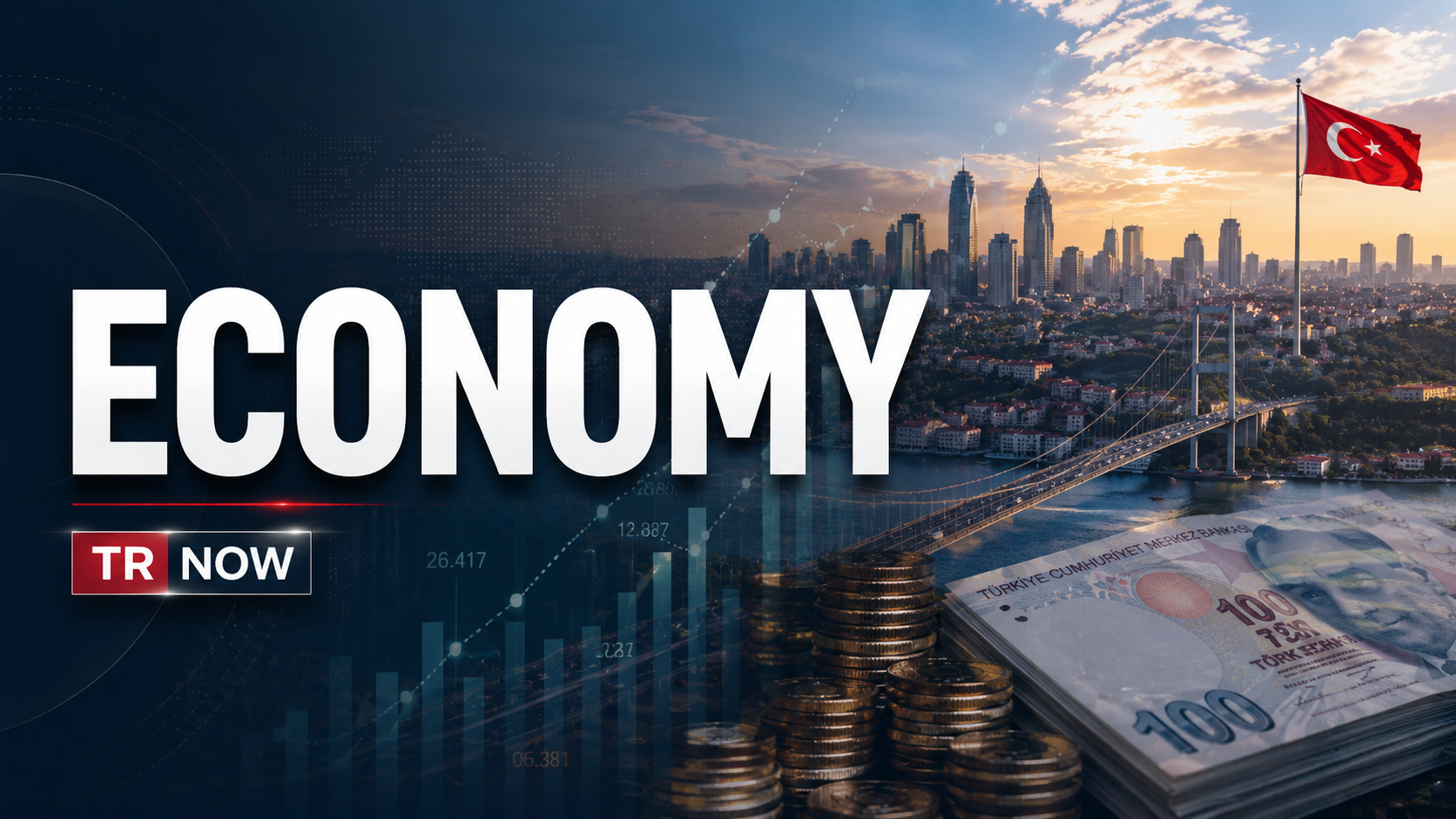

Turkish economy shows signs of weakness: Increased trade deficit and millions of debt collection cases
Fresh economic data from Turkey reveals a persistently fragile economic situation.
The figures show a significantly increased trade deficit, a record-high number of debt collection and bankruptcy cases, persistently high inflation, and a decline in industrial production.
Collectively, these indicators contribute to growing concern regarding the country' s economic stability.
The foreign trade deficit has grown significantly, recording an annual increase of 13.6 percent and reaching a total of 7.3 billion dollars.
A growing trade deficit indicates that Turkey is importing more than it is exporting, which places pressure on the country' s foreign currency reserves and could potentially lead to a weaker Turkish lira.
This, in turn, can affect import prices and make goods more expensive for both households and businesses. A particularly worrying development is the number of debt collection and bankruptcy cases.
By the end of August, these cases exceeded 26 million 78 thousand.
This figure reflects widespread financial strain among both Turkish households and businesses, which are struggling to meet their financial obligations.
Such a high number of cases signals difficulties for many participants in the economy and may indicate that the debt burden has become unsustainable for a significant portion of the population and the business sector.
In addition, the annual inflation rate remains at a high level, reaching 31.75 percent.
Persistently high inflation reduces the purchasing power of wages and pensions, making daily life more expensive for Turkish households and foreign residents alike.
At the same time, industrial production fell by 1.4 percent.
This is a sign of diminishing economic activity and lower demand, which could lead to fewer investments and potential job losses in the manufacturing sector. These combined signals point towards persistent challenges for the Turkish economy.
The situation requires close monitoring and targeted measures to stabilise the macroeconomy, strengthen the confidence of investors and consumers, and ease the pressure on households and businesses.
The persistent inflation, combined with weaker production and the debt burden, highlights the need for robust economic management.
Source: Haberglobal