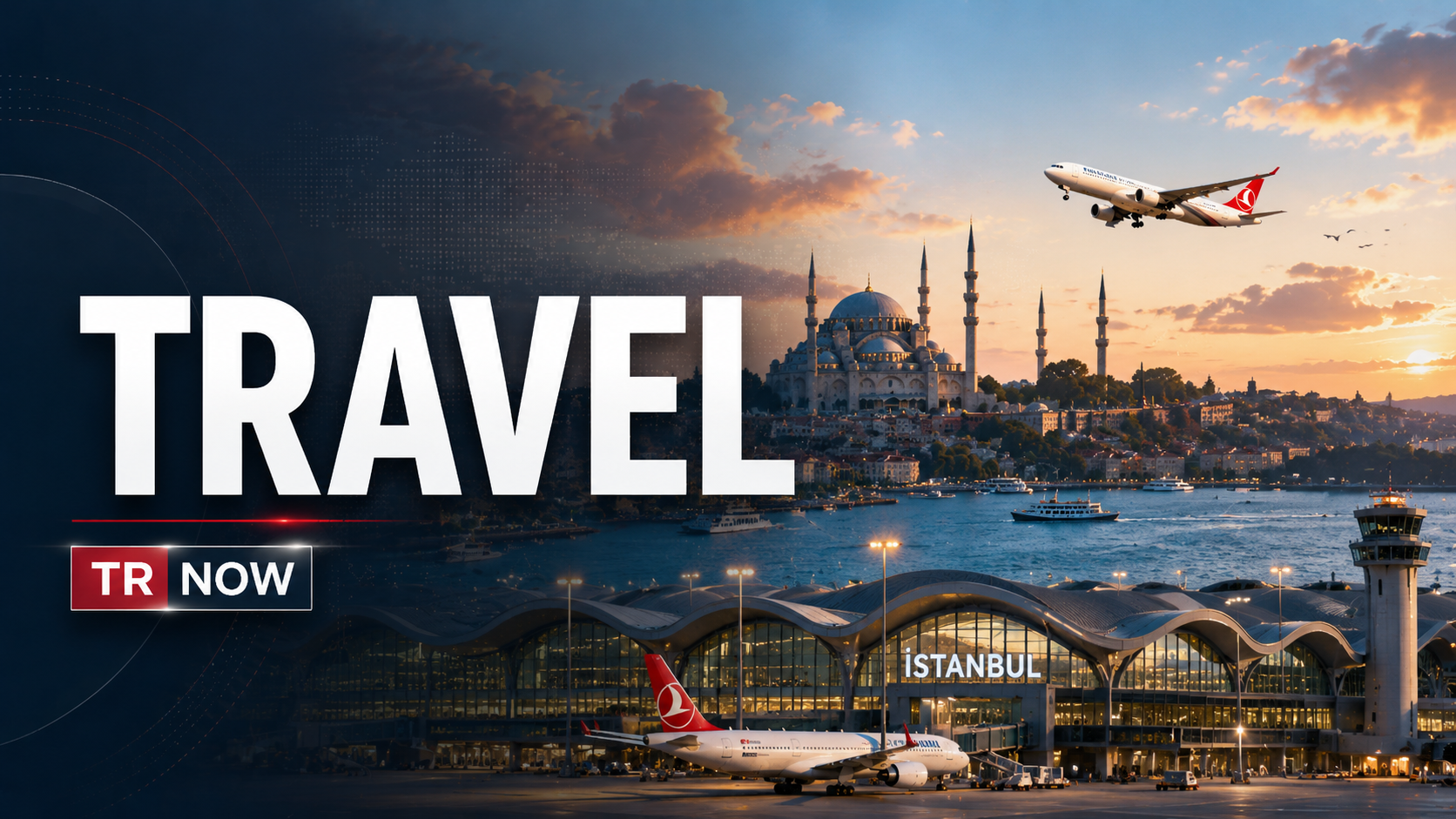

EU plans new travel rules for seamless transport
The European Union (EU) is preparing new travel regulations aimed at improving connectivity between different modes of transport.
This initiative, known as the Passenger Mobility Package (PMP), is intended to make travelling across Europe easier by integrating flights, trains, and bus connections more effectively.
For travellers planning journeys within the EU, or to countries like Turkey which are often accessed via European hubs, this could mean a significant simplification of travel planning.
The primary focus is to create a seamless travel experience, where changing between modes of transport becomes less complicated and more time-efficient.
This could involve everything from joint ticketing solutions and coordinated timetables to improved information on travel alternatives and easier transitions at major hubs.
The goal is to reduce the friction associated with multi-modal travel and make it more attractive to combine different types of transport. What does this mean for travellers?
For tourists, expatriates, and anyone planning a trip, the new rules could offer several practical benefits.
Travel itineraries may become easier to assemble, with less need to juggle separate tickets and schedules for flights, trains, and buses.
This may be particularly relevant for those planning longer routes that include multiple destinations, or for travellers arriving in Europe by air who wish to continue their journey by train or bus to their final destination.
Better integration could also lead to more reliable information regarding delays and cancellations across transport networks, which provides travellers with greater peace of mind and a better ability to plan alternative routes in the event of unforeseen incidents.
The stress of transfers, especially for those with tight connection windows, could potentially be reduced significantly. The EU initiative reflects a desire to modernise and streamline travel infrastructure in Europe.
By making journeys more seamless, the aim is to stimulate both tourism and business travel, while potentially contributing to a reduction in environmental impact by optimising transport routes.
This is a development that will influence how tour operators and travel agencies package their offerings, and it may open the door for new and more flexible travel options.
In the long term, these changes could make it more attractive to travel within Europe, including to destinations such as Turkey, by simplifying the entire travel process.
Travellers can look forward to a future where planning a holiday from the Nordic region to, for example, the Turkish coast via a major European city becomes more streamlined and less time-consuming.
This may positively affect both the demand for travel and the general travel experience.
Source: Turizmguncel